
A Cedefop forecast, presented by EURES on 15 September 2026, estimates that total employment in Europe could grow by more than 4% between 2023 and 2035. The rise is uneven: a large share of demand would come from digital technologies and the green transition. The figures are model scenarios, not guarantees of jobs or pay.
ICT occupations are projected to grow by about 2.5% a year across the European Union. For Romania, the EURES article cites a possible annual rate of 7.8%. Electricity generation is named as another fast-growing field, with examples in Malta and Luxembourg.
The workforce is ageing. In many places the number of workers aged 65 and over is growing by more than 7% a year, while the 30–54 group is shrinking. Many vacancies will appear simply because people retire, including in management and healthcare.
By contrast, fossil-fuel work is projected to fall. EURES cites a 10.7% annual decline in coal employment, increasing the need for retraining in regions that depend on the industry.
For jobseekers, EURES’s message is training in STEM and green technologies. For employers, it is investment in training. Education providers can use the forecast to update curricula. Cedefop’s labour skills and shortage index is pointed to as a separate recruitment tool.
EURES says it can complement Cedefop’s map with vacancies across 31 European countries. For Romania, the data point to a need for digital, energy and green training, not an individual promise of an ICT job.
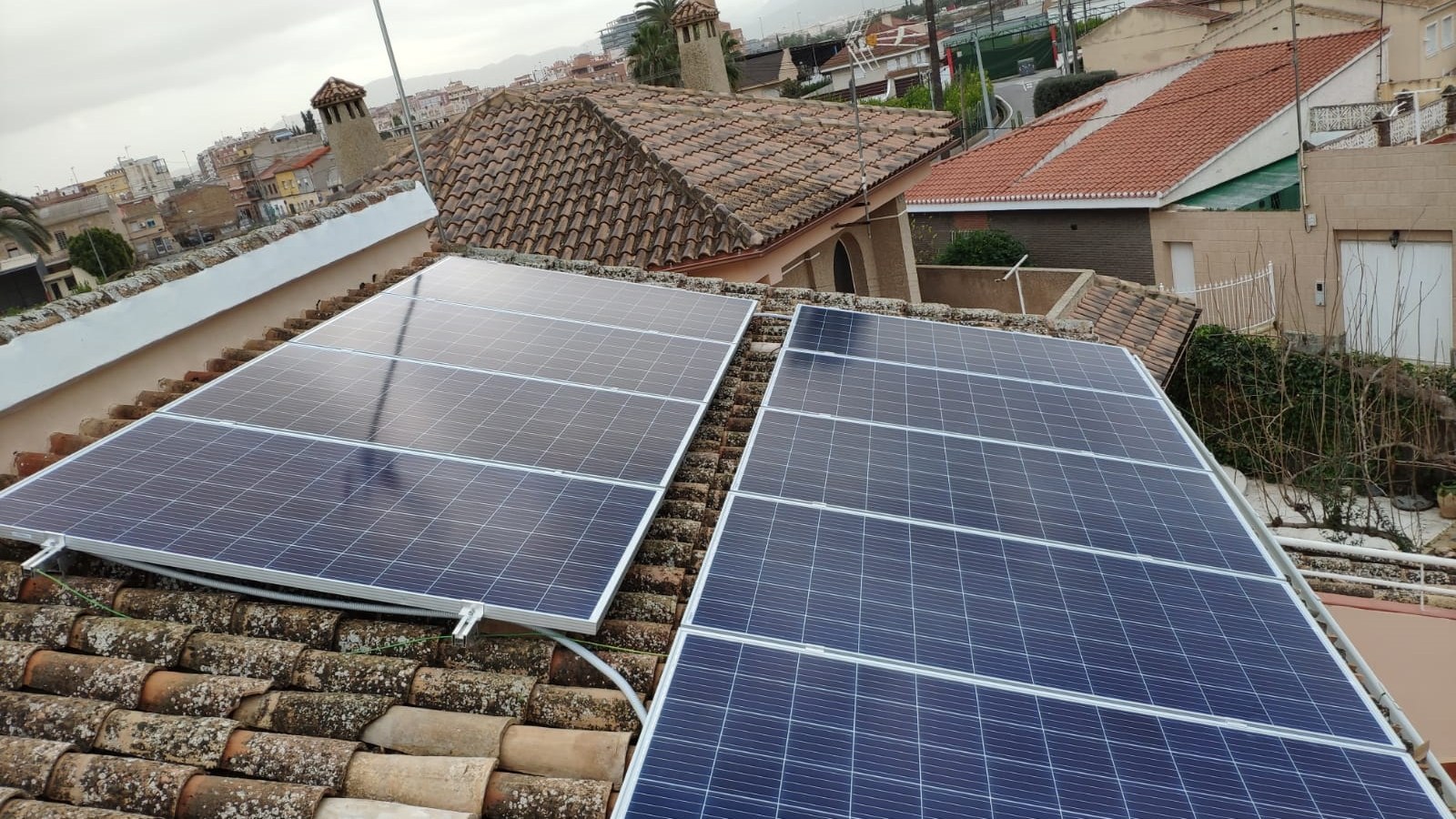
Image: rooftop photovoltaic installation / Wikimedia Commons. An illustration of the green sector, not a Romanian employer and not a guaranteed ICT job. Cropped to 16:9.
Source consulted: Spotting tomorrow’s jobs: what the 2035 skills forecast means for you | EURES; Skills Forecast | Cedefop.







0 Comments
No comments on this article yet. Be the first!