
The British government has announced first steps after Lady Justice Thirlwall’s final inquiry report on the Countess of Chester Hospital. The document, the health department says, identifies serious failures of governance, leadership and safeguarding and missed chances to take concerns seriously. Secretary Yvette Cooper apologised to families in Parliament.
Among the immediate measures: urgent work on plans for video monitoring, including “cot cams,” in neonatal settings. The stated aim is safety and parental reassurance. The 15 September release marks the start of a plan, not cameras installed in every unit.
Such a measure raises questions about privacy, access to footage, retention, security, consent and the effect on staff. Without safeguards, a protection tool can become a new source of risk.
The government also announces tighter guidance on insulin storage, stronger rules for medical examiners reviewing neonatal deaths, a barring scheme for NHS managers who fail in their duties and a single tracker of recommendations from maternity inquiries. The national bereavement care pathway is already committed to by trusts.
Cooper chaired the first meeting of the maternity and neonatal taskforce, created after the Ockenden and Amos reviews. The full response to Thirlwall’s recommendations will follow examination of the entire report.
The challenge is to turn findings into rules, resources and channels through which staff warnings are handled quickly and independently. This article does not assume that cameras already run beside cots.
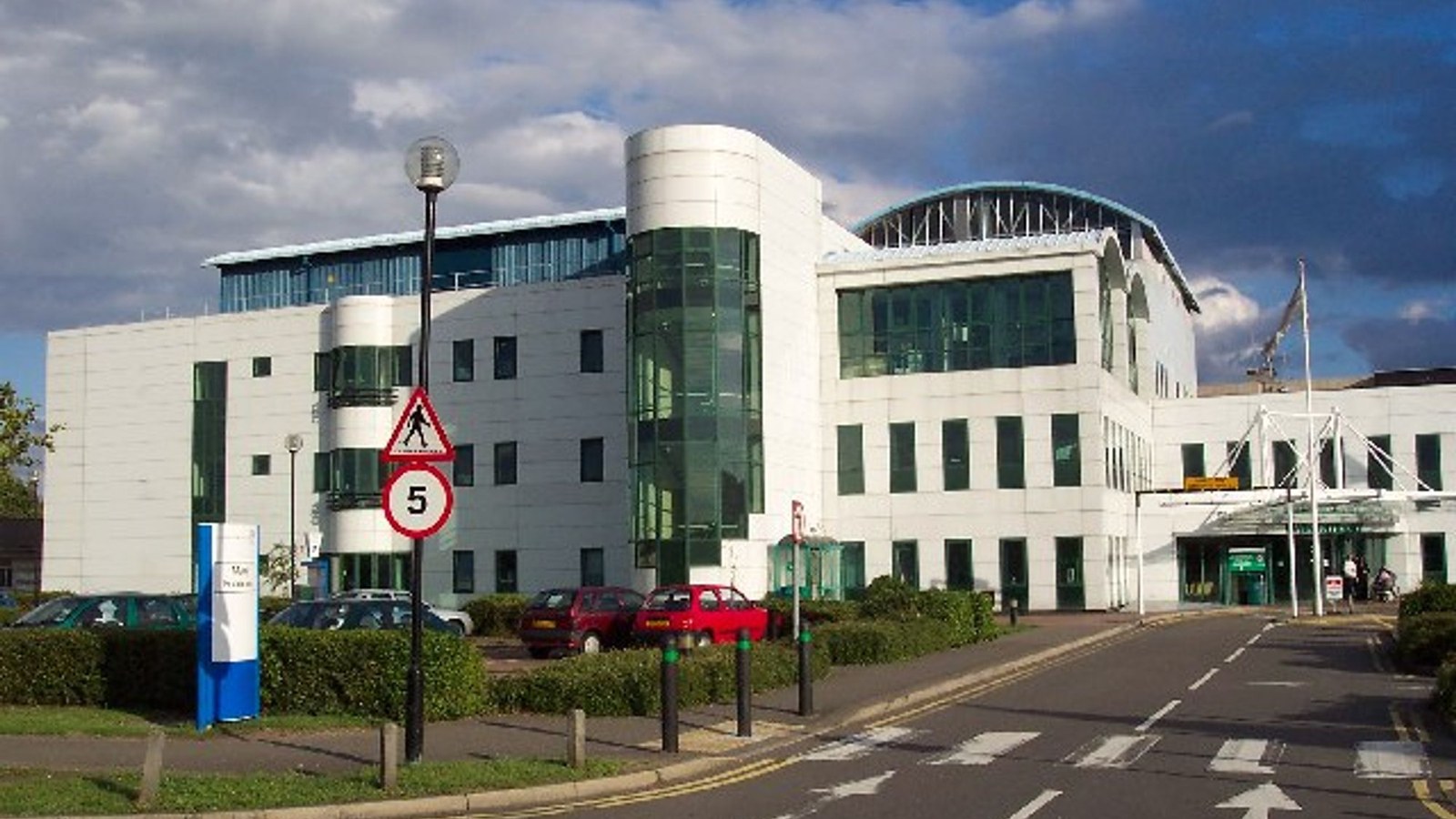
Image: Ashford Hospital / Wikimedia Commons, geograph.org.uk. An NHS exterior, not Countess of Chester and with no identifiable patients. Cropped to 16:9.
Source consulted: Government to act on Thirlwall patient safety recommendations | GOV.UK; Thirlwall Inquiry.







0 Comments
No comments on this article yet. Be the first!