
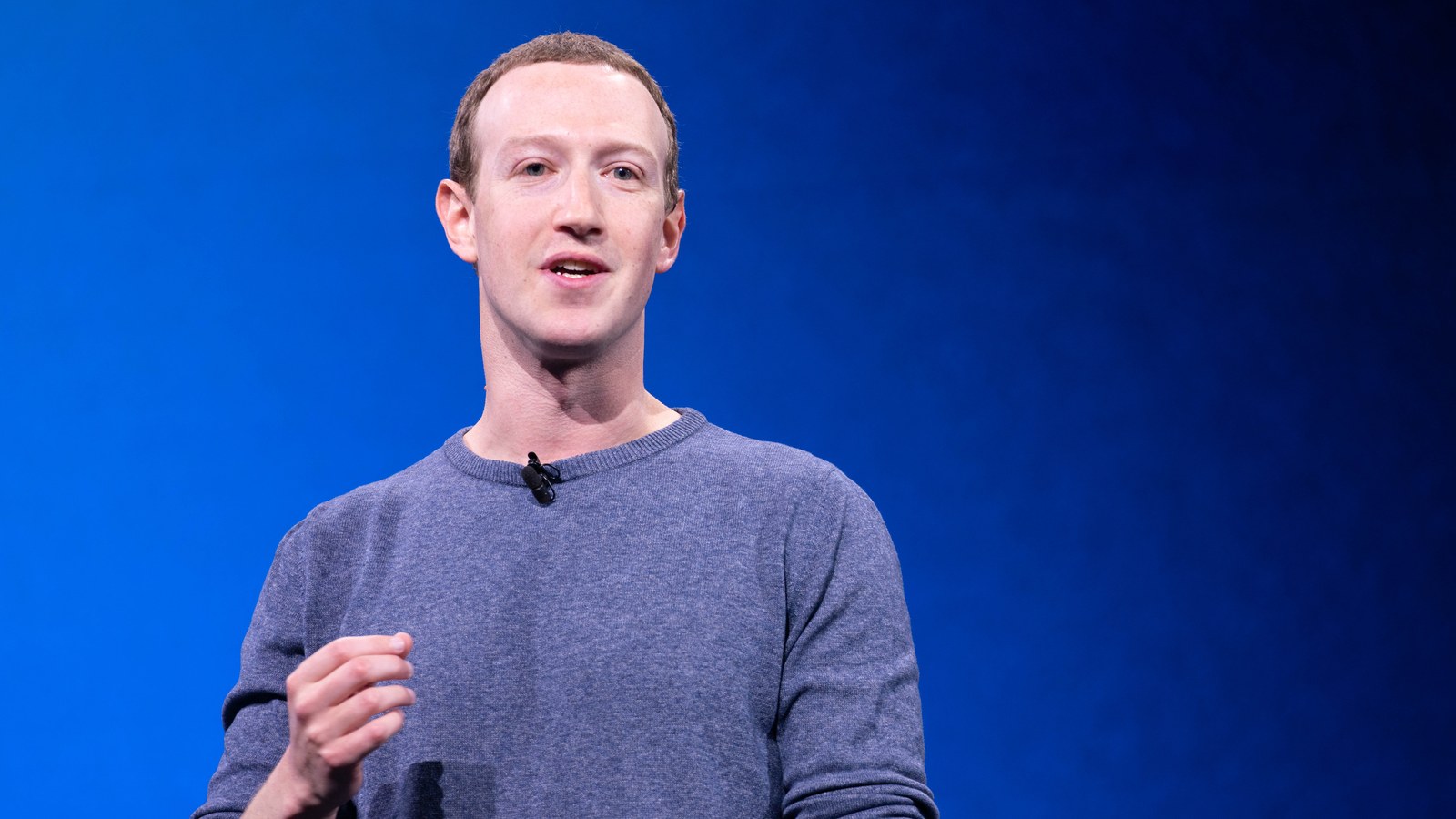
Mark Zuckerberg, Meta’s chief executive, has argued against a coordinated slowdown in artificial-intelligence development, saying laboratories already have individual reasons — competition, legal liability, reputation — to invest in safety. The position, set out on Tuesday 15 September in a post on X, was reported by Reuters on 16 September. These are Zuckerberg’s claims, not independent proof that markets are sufficient for AI safety.
According to Reuters, Zuckerberg wrote that every lab has the responsibility and incentive to move at the pace required to train its models safely, and the ability to take its own actions. “Trust and alignment are quickly becoming the most important capabilities that will differentiate agents and models. Any lab that doesn’t focus on alignment will fall behind,” he said, as quoted by the agency.
He said laboratories faced “significant” liability if their models caused harm. As an internal example, Meta had delayed the release of its Muse AI agent earlier in 2026 to strengthen security. “We didn’t call for everyone else to do this before we would. We just did it as part of our day-to-day work,” he added, according to Reuters: the company did not demand that others follow first; it treated the delay as an ordinary internal decision.
The debate follows a run of industry calls to slow the pace of capabilities, including from leaders who have warned about recursive self-improvement. RoAdevăr has already reported those calls for slower development. Zuckerberg is on the other side: safety measures taken lab by lab, not an industry-wide slowdown pact. Neither position is a demonstrated fact about what “must” be done.
Zuckerberg also said Meta Superintelligence Labs already uses independent evaluators in several areas, which he called “industry best practice”, and that other labs “can just do this too”. He added that a significant majority of Meta’s compute goes to products for users’ immediate needs rather than self-improving systems. Those are descriptions of Meta’s internal policy, not an independent audit.
The stakes are commercial as well. The company is investing heavily in models, infrastructure and products while competing with other large laboratories. When a chief executive discusses rules and pace, he is also a direct participant in the race. There is no consensus: some want a coordinated pause, others rely on market incentives, liability and evaluators. Technological change and regulatory decisions will weigh as heavily as industry statements.
Photo: Anthony Quintano, Flickr/Wikimedia Commons, CC BY 2.0. Mark Zuckerberg at F8 2019. An archive photograph, not from the September 2026 post or interview. Cropped to 16:9.
Source consulted: Meta’s Zuckerberg says AI labs have enough incentive to build safely (Reuters).








0 Comments
No comments on this article yet. Be the first!