
Calin Georgescu was stopped and taken from traffic on the morning of Monday, 21 September 2026, by investigators working on a DIICOT case concerning alleged fraud exceeding €1.1 million. The former presidential candidate was taken to his home in Mogosoaia, where he was present during a search lasting nearly nine hours.
Images released by the authorities and reports from the scene showed a forceful operation at the property. Media reported that investigators entered after forcing the gate while Georgescu was under escort. His supporters and lawyers criticised the scale of the operation, the manner of his removal and its timing as disproportionate and politically motivated. Authorities have not confirmed a political motive.
After the search, Georgescu was transported to DIICOT headquarters and questioned for several hours. Prosecutors ordered his detention for 24 hours. That evening, he was taken from the DIICOT building in handcuffs and transferred to Bucharest Police Central Detention, where he spent the night.
Detention is a measure a prosecutor may impose for no more than 24 hours and is different from pre-trial detention, which requires a judge's decision. On Tuesday, 22 September, DIICOT brought Georgescu before the Bucharest Tribunal and requested that he be held in pre-trial detention for 30 days.
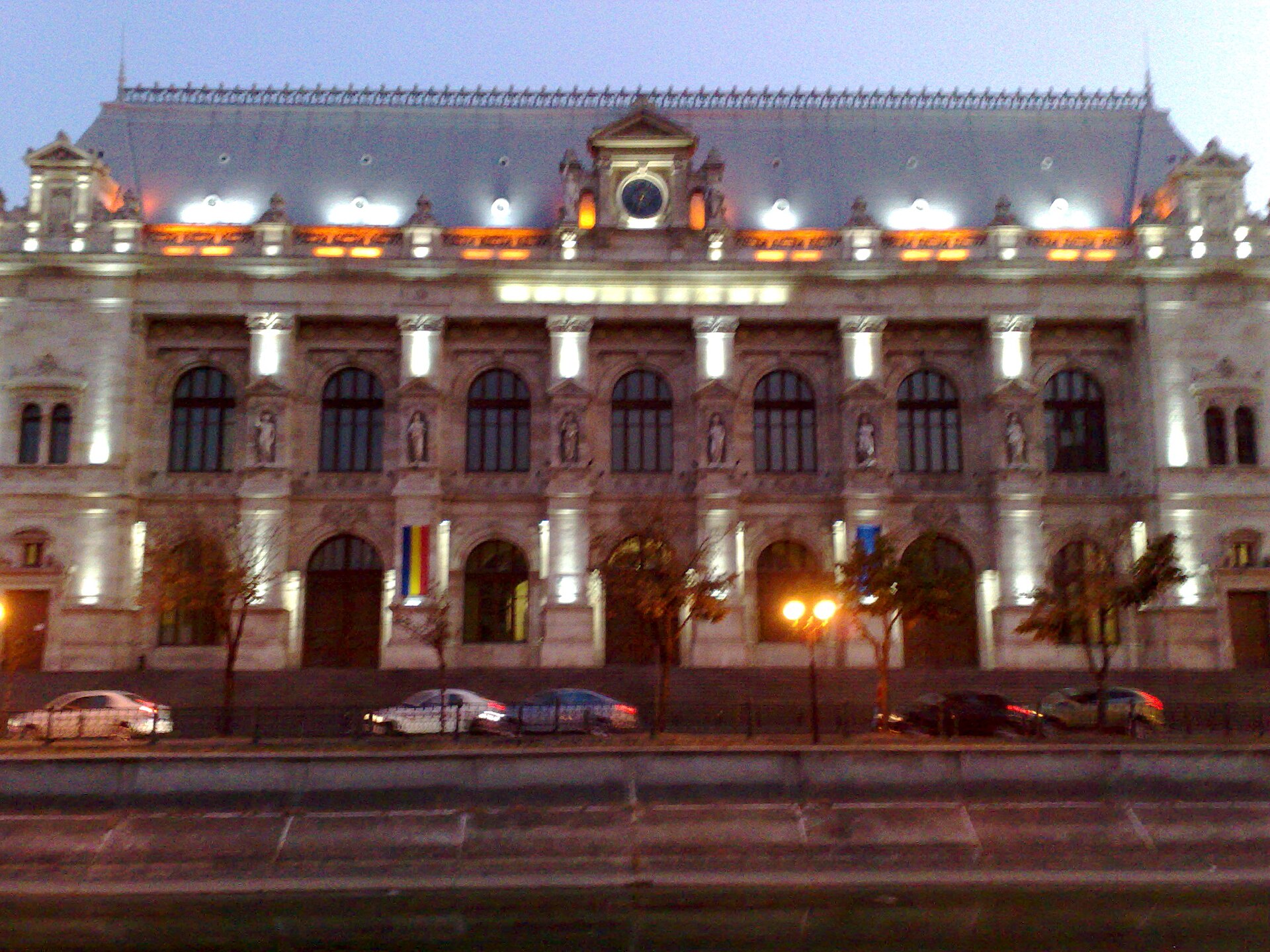
The judge rejected the prosecutors' request and ordered Georgescu's immediate release under judicial supervision for 60 days. The same measure was imposed on businessman Ionel Rusen. Georgescu may not leave Romania, must report periodically to police and may not contact people identified in the case.
The rejection of pre-trial detention means the judge did not consider a further 30-day deprivation of liberty necessary at this stage. It does not amount to a finding that “nothing was found”, an acquittal or the closure of the case. The investigation continues, and judicial supervision is itself a preventive measure. The court's full reasoning should be consulted before attributing any additional conclusions to the judge.
Georgescu's supporters described his detention, handcuffing and the large-scale operation as an injustice and an attempt at intimidation. That is their stated position. From a legal perspective, whether the measures were unjustified or disproportionate can be established only through judicial review and legal challenges, not from images of the intervention alone.
The case began with a complaint filed by businessman Razvan Leu. Prosecutors allege that Georgescu and other people persuaded him to transfer more than €1 million as a guarantee for a credit line from a foreign financial institution. He allegedly transferred another €100,000 after being told the financing could be increased to €15 million.
Investigators allege that the promised financing was never provided and that the total €1.1 million guarantee was not returned. Prosecutors also claim that €100,000 was intended for Georgescu's presidential campaign. These are allegations under investigation, not facts finally established by a court.
Investigators reported seizing documents, money and electronic devices during the searches, including an item described in media reports as a signal jammer. The seizure of an object does not itself prove its connection to an offence; its evidential relevance must be assessed during the investigation and, if applicable, in court.
The Bucharest Tribunal's ruling is not final, and DIICOT has challenged it. A higher court will decide whether to maintain judicial supervision or impose another measure. Georgescu is entitled to the presumption of innocence, and criminal responsibility can be established only through a final judgment.
Several hundred supporters greeted Georgescu as he left the tribunal. He later reported to police for procedures connected with judicial supervision. His release ended the temporary deprivation of liberty, but not the criminal investigation.
Source consulted: AGERPRES — Călin Georgescu, lăsat în libertate sub control judiciar






0 Comments
No comments on this article yet. Be the first!