
On 17 September the FAA approved a waiver from emissions rules that, from 1 January 2028, would have stopped sales of the Boeing 777F in its current configuration. The company may sell 35 more of these freighters in the three years after that date, through 2030.
Boeing asked for the exemption in December 2025, citing customer demand and a delay in certifying the 777-8F successor, not expected in service before about 2029. Without the waiver a production gap would have opened; filings put more than $15 billion in US exports at stake.
The agency says the 35 aircraft could raise freighter operations by about 2% and fuel burn by about 8% relative to 2024 global freighter operations. The figures describe an effect, not a repeal of the standards. The waiver does not touch safety and certification requirements.
Environmental groups may challenge a commercial exemption from climate rules. The 2024 Biden-era rules do not apply to aircraft already in service before 2028.
This article records a waiver limited in number and duration, not a general cancellation of aviation emissions rules and not 777-8F certification.
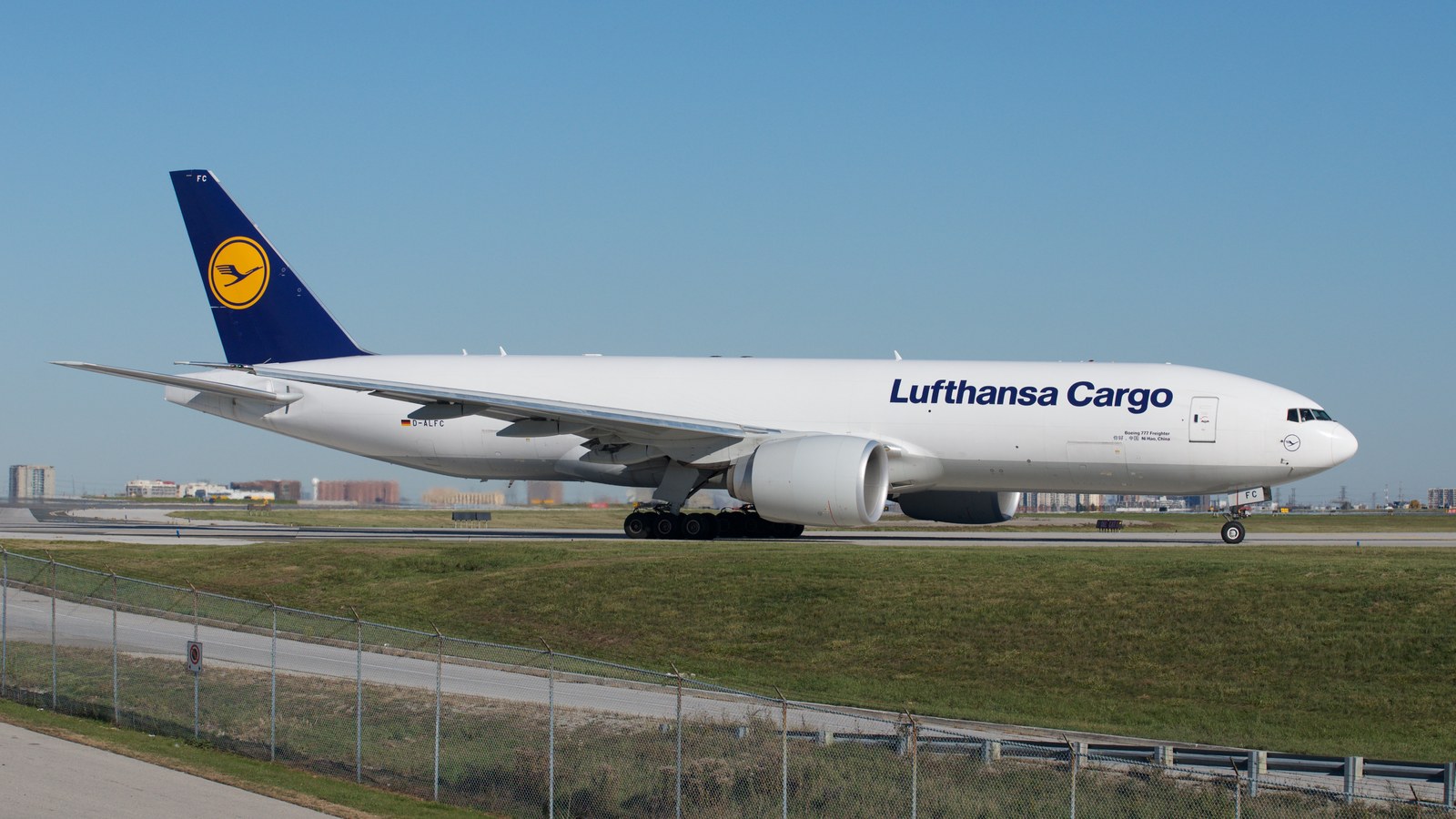
The picture shows a 777F freighter, not the new 777-8F, which is not yet in service.
The 777-8F timetable remains the one given by the manufacturer and the FAA; it can slip again.
Image: Lufthansa Cargo Boeing 777F D-ALFC / Wikimedia Commons (BriYYZ, CC BY-SA 2.0). The current freighter, not the 777-8F and not the 35 waiver aircraft. Cropped to 16:9.
Source consulted: Reuters — FAA waives emissions rules to let Boeing sell 35 additional 777F freighters; Federal Aviation Administration — Regulations and policies.









0 Comments
No comments on this article yet. Be the first!