
The cost of servicing Italy’s public debt has begun to rise at “an alarming rate,” Economy Minister Giancarlo Giorgetti warned on Friday from the margins of the Dublin Eurogroup and in remarks to the Portofino Talks. He linked the pressure to geopolitical tension, inflation and interest rates as the government updates its budget plans for 2027 onwards.
At a recent auction the yield on three-year Italian paper reached 3.43%, the highest since June 2024, and seven-year bonds produced a 3.98% gross yield, the highest since November 2023, according to Reuters. Under the latest plan, public debt is due to peak at almost 139% of GDP in 2026, overtaking Greece as the euro area’s most indebted country by that measure.
Giorgetti said inflation came from a supply shock, not an overheating economy, and that restrictive monetary policy can help but does not solve the problem. If the wars in Ukraine and the Middle East continue, inflation will rise “ineluctably,” he added, with effects on households and firms. In Dublin he called energy a “genuine emergency.”
The government is preparing support for energy bills. Such measures ease immediate pressure but add spending when fiscal room is tight. Revised deficit figures will matter under European fiscal rules. The debt path depends on growth, inflation, refinancing costs and budget discipline.
A ratio near 139% of GDP makes the budget sensitive to every extra yield point when bonds are rolled over. Friday’s warning is not a default forecast; it is a signal that debt service is getting more expensive faster than the Treasury wanted.
The auction figures describe the recent past, not the future. The autumn budget update will show whether the 139% peak still stands. Until then Giorgetti’s message to euro-area partners is that the energy emergency and the cost of debt have to be treated together.
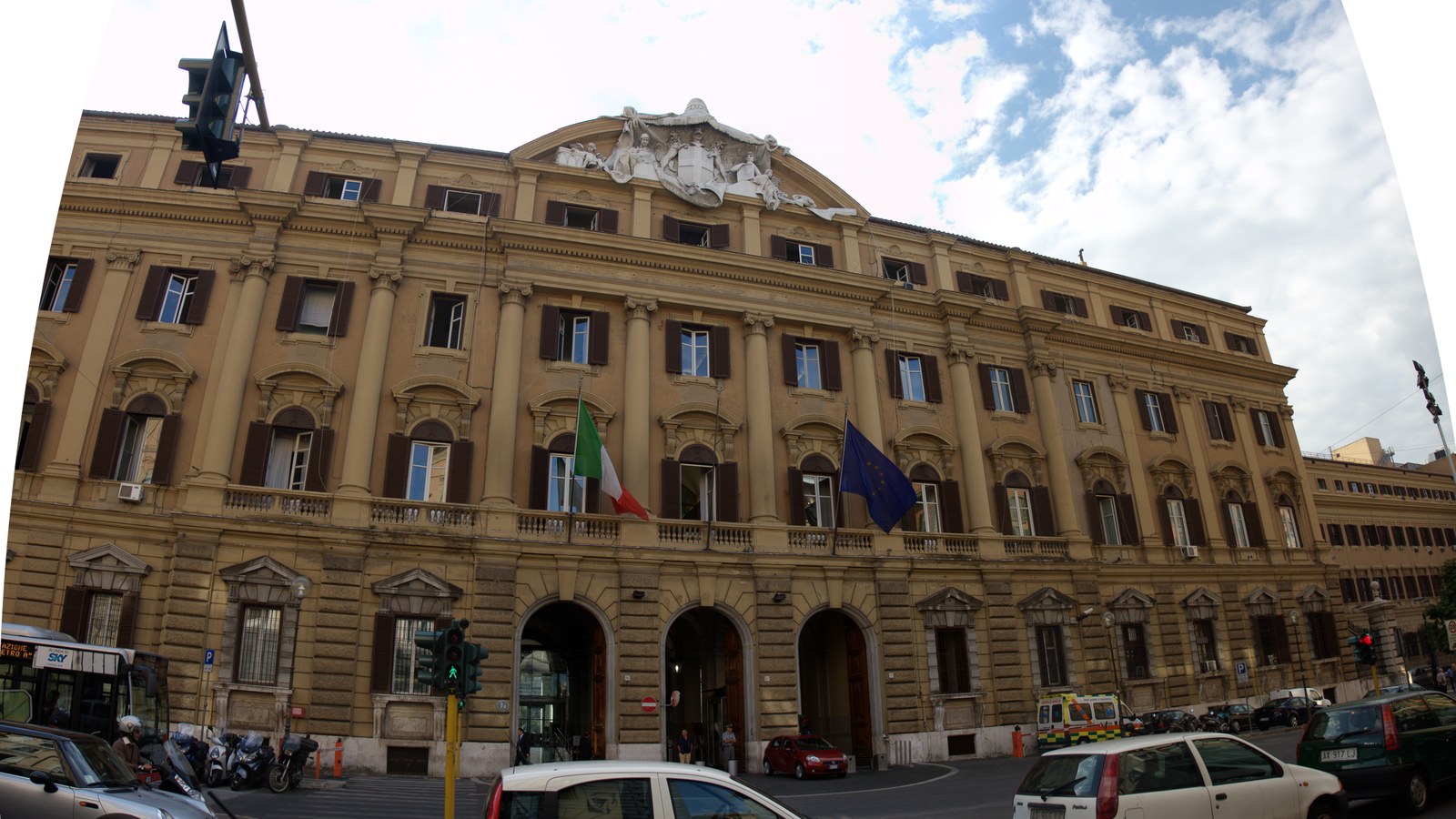
Image: Ministry of Economy, Rome / Vadim Zhivov / Wikimedia Commons, CC BY 3.0. The building, not a bond auction. Cropped to 16:9.
Source consulted: Italy’s debt burden rising at an alarming rate, economy minister says | Reuters.









0 Comments
No comments on this article yet. Be the first!