
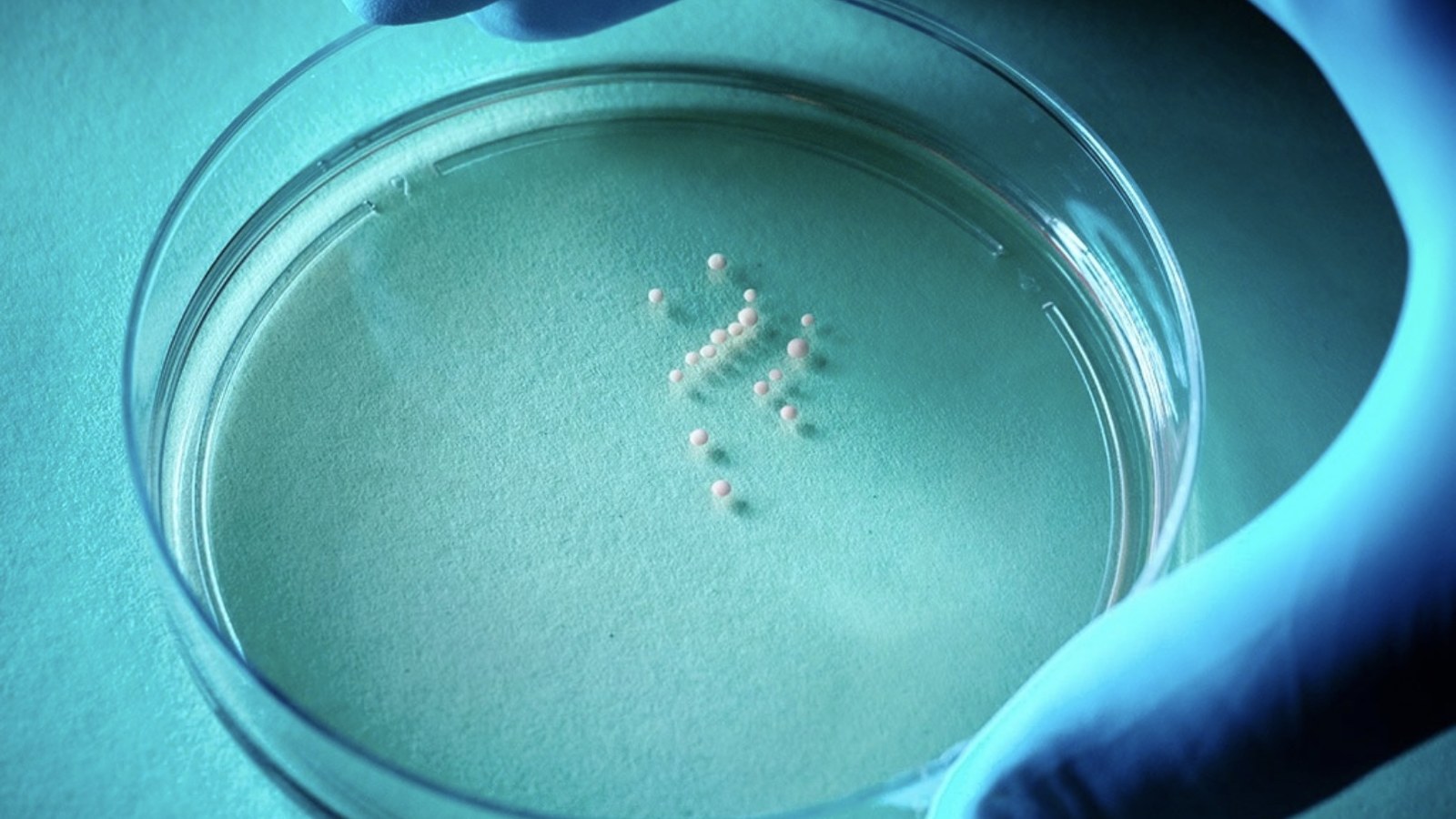
A Stanford Medicine team led by neuroscientist Sergiu Pașca transplanted human cortical organoids into mice genetically engineered so that precursors of the neocortex and hippocampus do not form. The paper, published on 16 September in Nature, describes “xenocortical mice”: three months after grafting, human tissue occupied more than 90% of the remaining cortical volume and formed connections with the host nervous system.
The human brain cannot be studied invasively like other organs, and two-dimensional cultures do not recreate a three-dimensional environment. The model is intended for network development and disorders involving the cortex — autism, epilepsy, schizophrenia, cerebral palsy. In an oxygen-deprivation test, human grafts showed injuries that differed from ordinary mouse tissue.
The authors report that the animals largely retained locomotion, with differences in coordination. This is not “a human brain inside a mouse”: the host remains a rodent with its own nervous system, and the graft is a research tool. Pașca explicitly cautioned against similar experiments in primates engineered to lack a cortex.
Ethical questions — animal welfare, limits on human-tissue integration, how behaviour is interpreted — remain open. The model should be read as a study platform, not as a step toward laboratory hybrids with human consciousness.
Photo: human brain organoids in culture, Pașca laboratory, Stanford. Credit Stanford Medicine, via Stanford Medicine News.
Source consulted: Stanford Medicine — model for studying brain development; Nature — Human brain cells transplanted into mice.










0 Comments
No comments on this article yet. Be the first!