
In 2026 the US Fish and Wildlife Service changed how it applies “take” under the Endangered Species Act. After the regulatory definition of “harm” was withdrawn in July, an internal memo dated 14 September, signed by Director Brian Nesvik, limits the prohibition to acts intentionally directed at a particular animal.
On that reading, the death of a protected individual during logging, construction or a vessel strike is not, by itself, a violation if the animal was not the object of the act. The memo distinguishes conduct aimed at a living animal from effects that arrive through an intervening chain, such as a change in habitat.
Supporters say the statute should be read by its text and that developers should not be punished for unintended effects. Critics, including conservation groups, argue that the approach opens a wide gap where deaths are nevertheless foreseeable.
Incidental-take permits do not vanish automatically. Some companies may still seek them to reduce the risk of later litigation or a policy reversal. The July rule does not require existing permits to be reopened.
The change does not repeal the Endangered Species Act. Other federal and state duties remain, and the practical form of the interpretation depends on the courts. Several lawsuits have already been announced.
This article describes a contested administrative interpretation, not a new statute passed by Congress and not a general licence to kill protected species.
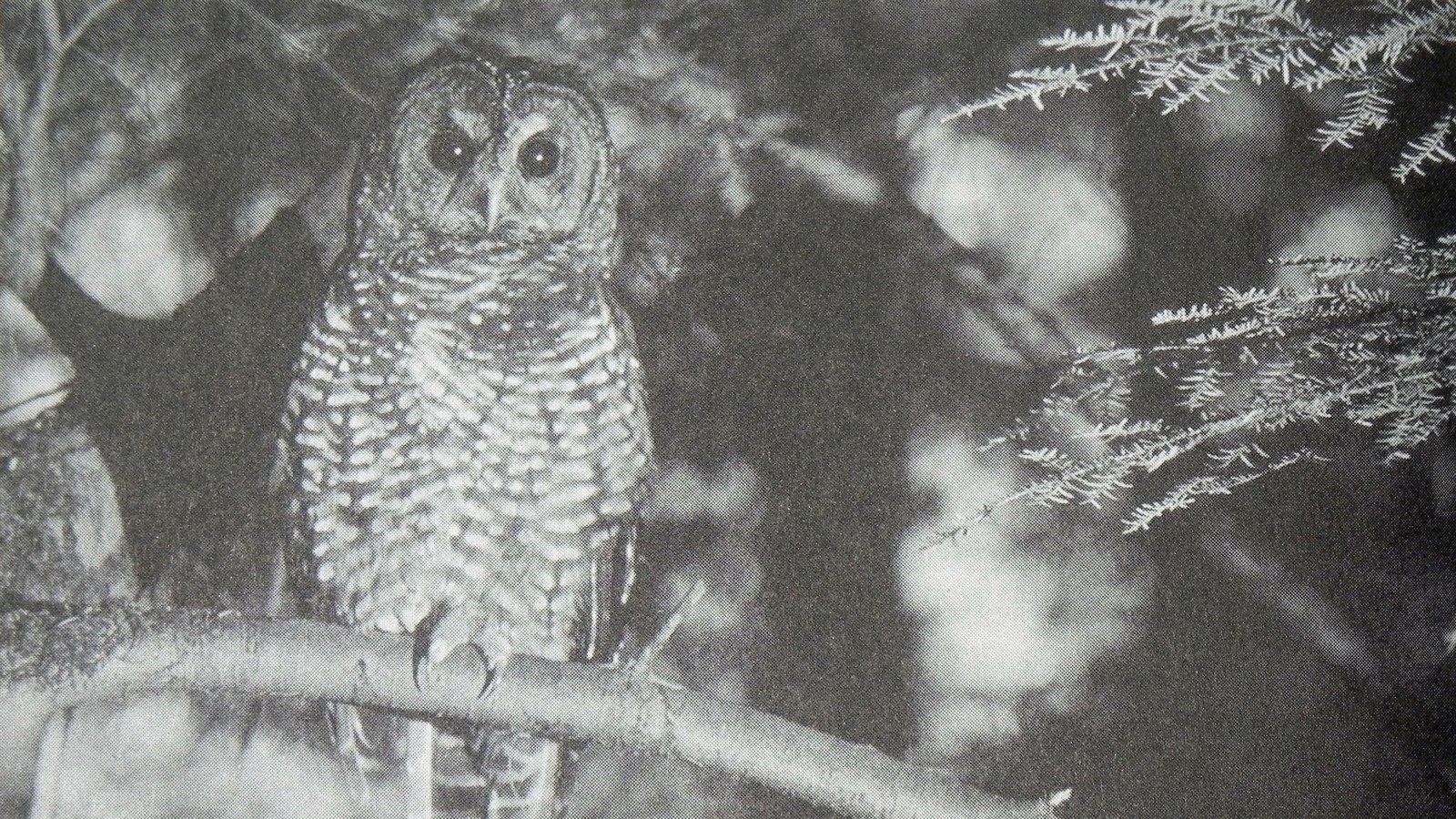
The picture shows a protected American species in habitat, not a particular construction site and not a poaching scene.
Image: northern spotted owl, US Forest Service, 1990 / Wikimedia Commons. An archive shot, not the 14 September 2026 Nesvik memo. Cropped to 16:9.
Source consulted: Federal Register — Rescinding the Definition of Harm Under the Endangered Species Act; US Fish and Wildlife Service — Endangered Species Act.

0 Comments
No comments on this article yet. Be the first!