
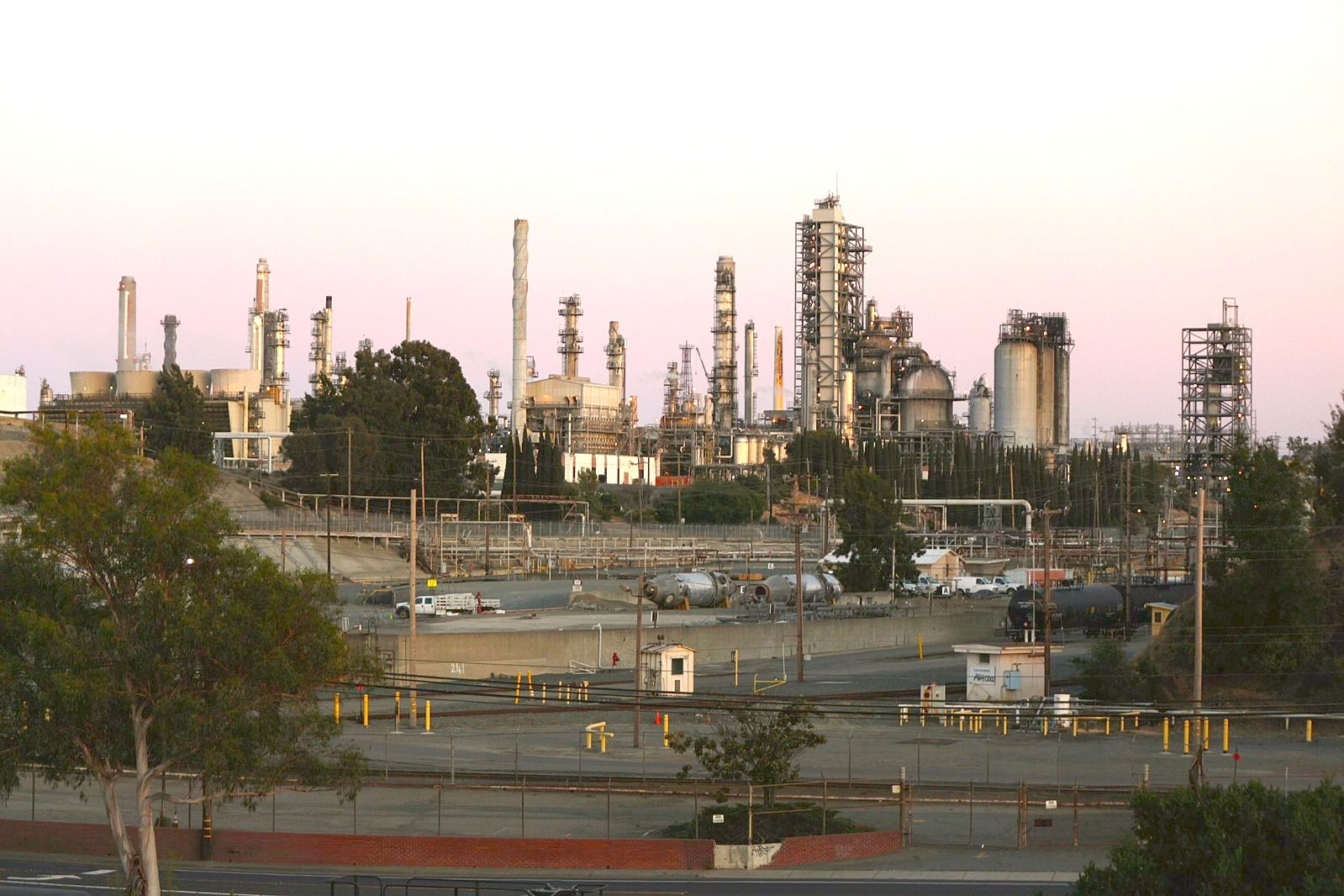
President Donald Trump said on 22 September that he supported the idea of banning US diesel exports. The proposal is being promoted by politicians who argue that retaining more fuel in the country could ease the pressure on prices paid by consumers and transport operators.
The discussion comes as diesel has become significantly more expensive and wars and trade disruptions have constrained supplies from major producers. Diesel prices directly affect road transport, agriculture, construction and the cost of distributing goods.
An export restriction would not automatically guarantee lower prices. The outcome would depend on refinery capacity, inventories, regional demand and how companies reorganised shipments. Critics of such measures warn that intervention could create imbalances and affect allies relying on US refined products.
At the time of writing, the statement represents political support for an idea, not confirmation of a ban already in force. Its legal form, duration and possible exemptions should be checked if the administration publishes an order or detailed proposal.
Energy markets often react quickly to political signals about fuel trade. Any price update should include date, market and unit of measure, without presenting a political intention as a measure already in force.
Agencies and specialist institutions, including the EIA, remain useful sources for understanding diesel’s role in the US economy and in global supply chains.
Source consulted: Reuters — Trump backs the idea of a diesel export ban








0 Comments
No comments on this article yet. Be the first!